
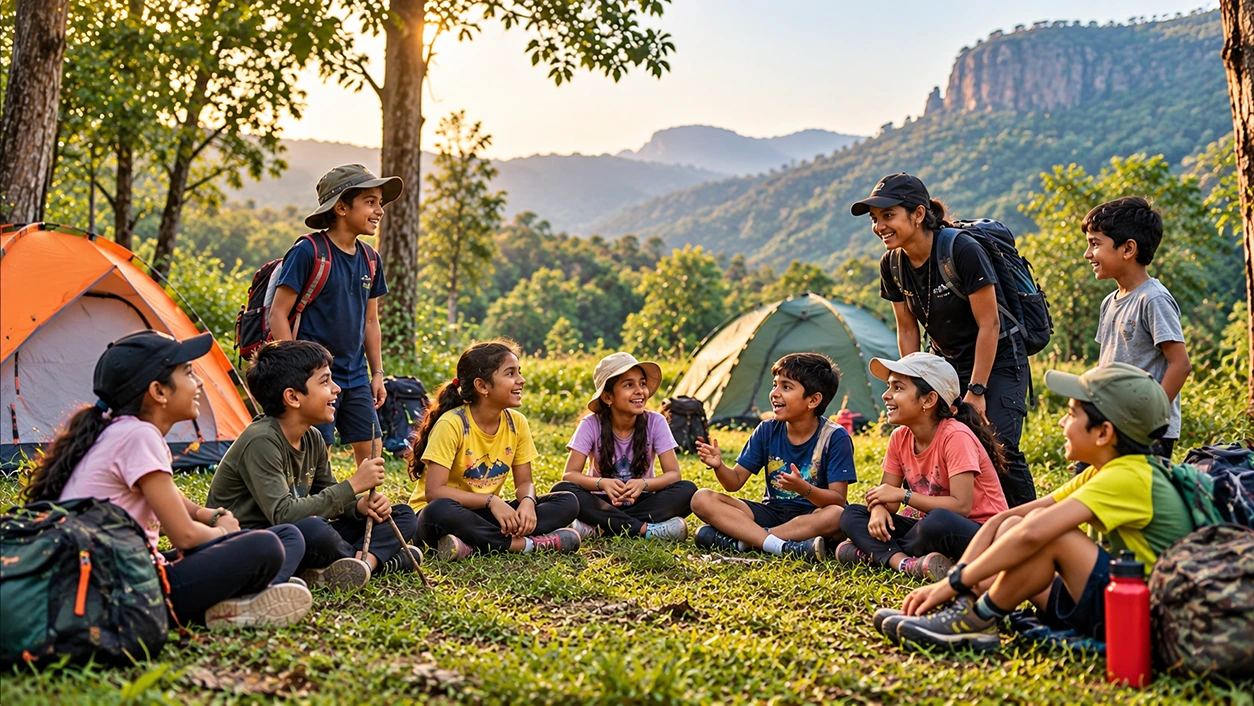
Planning a camping trip for your child can be exciting, especially if it is their first outdoor adventure. From sleeping in a tent to exploring nature and participating in outdoor games, camping gives children an opportunity to experience something different from their everyday routine.
But before the adventure begins, one question often comes up: What should you pack for a kids’ camping trip?
Packing too little can leave your child uncomfortable, while packing too much can make their bag difficult to manage. The key is to prepare a practical checklist based on the camp duration, weather, planned activities and organiser’s instructions.
In this guide, we share a complete kids camping packing list to help parents prepare their children for an enjoyable and comfortable outdoor experience.
1. Clothing Essentials for a Kids’ Camping Trip
The right clothing helps children stay comfortable during outdoor activities and changing weather conditions.
For a short camping trip of two or three days, consider packing the following:
• Comfortable T-shirts and trousers
• Extra underwear
• Extra pairs of socks
• Sleepwear
• A warm jacket or sweatshirt
• Comfortable clothes for outdoor games
• An additional set of clothes
• A rain jacket or poncho when appropriate
Choose lightweight, comfortable clothing that allows your child to move freely during walks and games.
Pack clothes in separate sets so your child can easily identify what to wear each day. A labelled packing pouch can be especially useful for younger children.
Parent tip: Check the weather forecast and the camp organiser’s recommendations before finalising clothing. Mountain and outdoor destinations can become cooler in the evening, even when daytime temperatures are comfortable.
2. Suitable Footwear for Outdoor Activities
Footwear is an important part of preparing for a camping trip, particularly if the itinerary includes trekking or nature walks.
Consider packing:
Trekking or sports shoes: Choose comfortable shoes with suitable grip for the planned terrain.
Extra socks: Useful if socks become wet or dirty.
Comfortable camp footwear: Pack an additional pair if the organiser permits and recommends it.
Avoid sending children on a trekking activity in brand-new shoes that they have not worn before. Check the fit and comfort in advance to reduce the chance of blisters or discomfort.
For any guided trek, follow the organiser’s specific footwear instructions.
3. Personal Hygiene and Toiletries
Children should have the basic toiletries they need to maintain their usual hygiene during the trip.
Your checklist can include:
• Toothbrush and toothpaste
• Small towel
• Soap or body wash
• Shampoo in a travel-size container
• Comb or hairbrush
• Personal hygiene products, if required
• Sunscreen appropriate for your child
• Any personal care items recommended by the parent or organiser
• Choose travel-size containers and place toiletries in a waterproof pouch to help prevent spills.
If your child uses prescribed medication or has specific medical needs, speak to the camp organiser in advance about the appropriate arrangements. Do not send medication without clear instructions about its use and supervision.
4. Water Bottle and Outdoor Essentials
Outdoor activities can involve walking, games and time spent away from the main campsite. Children should have access to drinking water and know how to use their personal belongings.
Pack these essentials:
• A reusable water bottle
• A comfortable day bag, if requested
• A cap or sun hat
Sunglasses, if suitable
• Sunscreen
• A small hand towel
• A torch or headlamp, if requested by the organiser
• A water bottle of approximately one litre is a useful starting point for the Salher camp packing list, but the appropriate capacity depends on your child's needs and the organiser's guidance. Children should refill it whenever instructed and have access to adequate drinking water.
• Make sure your child can open, close and carry their bottle independently.
5. What Should Children Carry for a Trek?
If the camping programme includes a guided trek, packing should focus on comfort and practicality rather than unnecessary equipment.
Depending on the organiser's instructions, children may need:
• Comfortable trekking or sports shoes
• Suitable clothing for the weather
• A water bottle
• A cap
• Sunscreen
• A lightweight bag, if required
• Rain protection when appropriate
• Avoid giving younger children heavy backpacks. Ask the organiser what participants are expected to carry and whether any trekking equipment will be provided.
Parents should also confirm the trek's distance, terrain, expected duration and difficulty level before the trip.
6. Items for Tent Accommodation and Overnight Stays
Sleeping arrangements vary between camps. Some organisers provide tents, sleeping bags and mattresses, while others may require participants to bring particular items.
Before packing, confirm whether the following are provided:
• Tent accommodation
• Sleeping bag
• Mattress
• Pillow or additional bedding
• Blanket or extra warm layer
• not purchase or pack bulky sleeping equipment until you have checked the official camp inclusions.
For cooler destinations, an extra warm layer may be useful even if bedding is provided. Follow the organiser's recommendations based on the season and campsite conditions.
7. Small Items That Make Camping Easier
A few simple items can help children stay organised during the trip.
Consider adding these to your checklist when appropriate:
• A small notebook and pen
• A labelled reusable bag for dirty clothes
• A waterproof pouch for small belongings
• A simple watch, if permitted
• A small personal comfort item for a first-time camper
• For a child who enjoys drawing or writing, a notebook can be useful for recording observations during nature walks.
Avoid packing expensive gadgets, unnecessary valuables or items that the organiser does not permit.
8. What Should Children Leave at Home?
Packing for a camp is also about knowing what not to bring.
Unless the organiser specifically requests an item, avoid sending:
• Expensive jewellery or valuables
• Unnecessary electronic devices
• Excessive snacks or sweets
• Fragile items
• Sharp tools or equipment
• Firecrackers, matches or lighters
• Heavy bags that are difficult for your child to carry
• Check the camp's rules regarding mobile phones, snacks and personal electronics before departure.
For a children's camp, the organiser's instructions should take priority over a general packing checklist.
9. How to Pack Your Child’s Bag Properly
Even a complete packing list is less useful if your child cannot find anything in their bag.
Follow these simple steps to make packing easier.
• Pack clothes in daily sets
• Group each day's clothing together in a separate pouch. This helps children identify what they need without unpacking the entire bag.
• Label essential belongings
• Label clothing, water bottles and other frequently used items with your child's name, especially when several children are attending the same camp.
• Keep frequently used items accessible
• Place items such as a rain jacket or water bottle where your child can find them easily, following the organiser's instructions.
Involve your child in packing
• Let your child help organise the bag and explain where each item is stored. This gives them an opportunity to practise responsibility before leaving home.
• Avoid overpacking
• Children should be able to manage their belongings comfortably. Pack according to the actual itinerary instead of adding items for every possible situation.
10. Kids’ Camping Packing Checklist: Quick Summary
Use this checklist while preparing for the trip.
• Comfortable clothes for each day
• Extra underwear and socks
• Warm jacket or sweatshirt
• Sleepwear
• Trekking or sports shoes
• Rain jacket or poncho, if appropriate
• Toothbrush and toothpaste
• Towel and personal toiletries
• Reusable water bottle
• Cap and suitable sun protection
• Torch or headlamp, if required
• Notebook and pen, if useful
• Personal essentials agreed with the organiser
• Any additional items specified in the official packing list
Before departure, check every item against the organiser's instructions and the latest itinerary.
11. Packing for Giritvaa’s Salher Diwali Adventure Camp 2026
If your child is attending Giritvaa’s Salher Diwali Adventure Camp 2026, the official itinerary is the best place to confirm what to bring.
The programme is designed for children aged 8–12 and runs for three days and two nights at the Salher Fort campsite in Maharashtra.
The published packing recommendations include:
• Three sets of comfortable clothes
• Trekking or sports shoes
• A warm jacket
• Extra socks
• A water bottle of approximately one litre
• A cap and sunglasses
• Personal toiletries
• A rain jacket or poncho
• A small notebook and pen
• A torch or headlamp
The published itinerary also lists tent accommodation, sleeping bags and mattresses among the inclusions. Confirm the current arrangements and any additional instructions on the official itinerary page before packing.
The programme includes guided trekking, nature walks, bird watching, stream exploration, adventure games, team challenges and creative Diwali activities. Packing practical clothing and suitable footwear will help your child prepare for the planned outdoor experiences.
Planning to enrol your child? Visit Giritvaa’s official Salher Diwali Adventure Camp 2026 itinerary page to check the dates, pricing, inclusions, booking details and final packing instructions.
12. Tips for Parents Preparing a Child for Their First Camping Trip
Packing is only one part of preparing a child for an overnight outdoor experience. A little preparation beforehand can help children feel more comfortable.
Explain what the camp will be like
• Discuss the planned activities, sleeping arrangements and daily schedule in an age-appropriate way. Knowing what to expect may help reduce uncertainty.
• Practise managing personal belongings
• Ask your child to pack and unpack a small bag at home. Make sure they can identify their clothes, water bottle and toiletries.
• Share important information with the organiser
• Tell the organiser about relevant allergies, dietary requirements, medical needs or other concerns before the trip.
• Follow the official instructions
• The weather, terrain, camp duration and activities all influence what children should carry. The organiser's latest instructions should always take priority over generic advice.
Encourage questions
Give your child time to ask questions about the camp. Explain that it is okay to ask a leader for help when needed.
Frequently Asked Questions
What should I pack for a child's first camping trip?
Start with comfortable clothes, extra socks, suitable footwear, toiletries, a reusable water bottle, sun protection and weather-appropriate layers. Add any items required by the camp organiser.
How many clothes should I pack for a three-day camp?
For a three-day trip, three comfortable sets of clothes are a practical starting point, along with extra underwear and socks, sleepwear and a warm layer. Adjust the quantity to the weather and the organiser's instructions.
Should children bring their own sleeping bags?
Not always. Some camps provide sleeping bags and mattresses. Confirm the accommodation inclusions before packing additional sleeping equipment.
What footwear is best for a children's camping trip?
Comfortable trekking or sports shoes with suitable grip are a sensible option for many beginner-friendly outdoor activities. Follow the organiser's footwear guidance for the specific terrain.
Should children carry a torch or headlamp?
A torch or headlamp may be useful for overnight camps, but check the organiser's packing list and rules before departure.
How can I make packing easier for my child?
Use labelled pouches, group clothes into daily sets, keep frequently used items accessible and involve your child in organising the bag.
Final Thoughts
Preparing for a camping trip does not have to be complicated. A clear checklist, suitable clothing and a review of the official itinerary can help parents avoid unnecessary packing and prepare their children for the experience.
The most important thing is to pack for the actual activities, destination, weather and accommodation arrangements rather than relying on a generic list alone.
If you are planning an outdoor experience for your child, explore Giritvaa’s Salher Diwali Adventure Camp 2026 and use the official itinerary to finalise your packing checklist.