
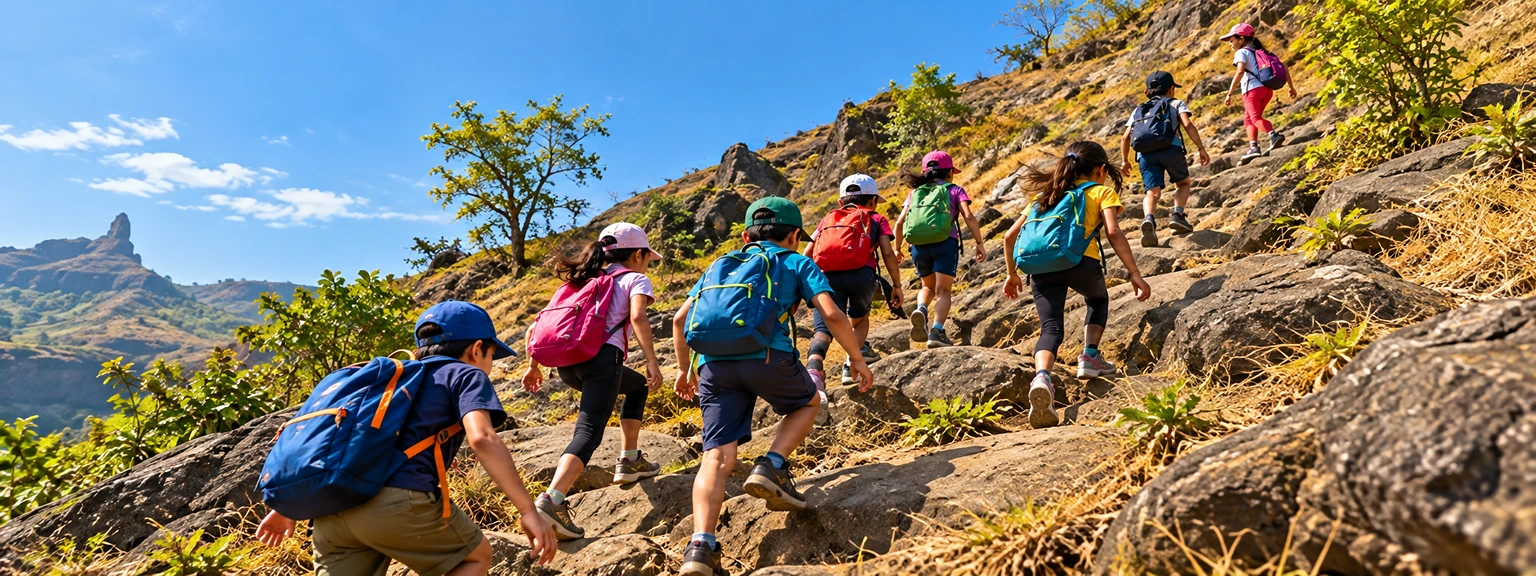
Benefits of Outdoor Adventure Camps for Children: Confidence, Teamwork and Nature
Children learn in many different ways. Classrooms help them develop academic knowledge, while everyday experiences give them opportunities to practise communication, independence and problem-solving.
Outdoor adventure camps bring these experiences together through activities such as nature walks, guided trekking, camping, team games and outdoor challenges. These activities encourage children to explore unfamiliar surroundings, interact with others and learn by participating.
For parents looking for meaningful experiences beyond school, outdoor adventure camps for kids can be an opportunity to combine recreation, nature exploration and personal development.
In this guide, we explore the potential benefits of outdoor camps, the skills children can practise and what parents should consider before choosing a programme.
1. Building Confidence Through New Experiences
Trying something unfamiliar can feel challenging for a child. Activities such as following a guided nature trail, participating in a group challenge or spending a night in a tent introduce new experiences in a structured setting.
With appropriate guidance and encouragement, children can learn to approach unfamiliar tasks step by step.
For example, a child who is nervous about joining a group game may gradually become more comfortable participating. Another child might discover that they enjoy navigating a trail or helping their team complete a challenge.
These experiences can provide opportunities to recognise personal strengths and become more comfortable trying new things.
Activities that encourage confidence include:
• Age-appropriate outdoor challenges
• Guided nature walks
• Group problem-solving games
• Supervised camping activities
• Opportunities to complete manageable tasks independently
The aim is not to push children beyond their comfort levels but to support them as they develop at their own pace.
2. Learning Teamwork and Cooperation
Many outdoor activities work best when children cooperate rather than compete individually.
A treasure hunt, obstacle course or group challenge may require participants to share ideas, listen to instructions and decide how to complete a task together.
• During these activities, children can practise:
• Listening to different opinions
• Taking turns and sharing responsibilities
• Supporting teammates
• Communicating instructions clearly
• Celebrating group achievements
• These experiences offer practical ways to explore teamwork outside the classroom.
Parents can also ask children what role they played in a group activity and what they might do differently next time. Such conversations can help children reflect on their experiences.
3. Encouraging Communication and Social Skills
Joining a camp introduces children to peers and adults outside their usual school or family circles.
Group activities can create opportunities to introduce themselves, ask questions, share equipment and participate in conversations with others.
For children who are naturally outgoing, these experiences may offer new opportunities to collaborate. For quieter children, small-group tasks can provide a manageable setting in which to participate at their own pace.
A well-organised camp should encourage respectful communication and make children feel supported rather than pressured to participate in every activity in the same way.
4. Exploring Nature Beyond Textbooks
Books and classroom lessons introduce children to plants, wildlife, landscapes and environmental concepts. Outdoor experiences let them observe aspects of the natural world directly.
A guided nature walk, for instance, can encourage children to notice different leaves, listen for birds and observe changes in the landscape.
Nature-based activities may include:
• Bird watching
• Guided nature trails
• Observing plants and insects without disturbing them
• Learning about local landscapes
• Keeping a nature journal
• Discussing ways to protect the environment
• These activities encourage curiosity and observation. Children can record what they discover through drawings, photographs or short notes.
They also provide opportunities to discuss responsible outdoor behaviour, such as carrying waste back, respecting wildlife and staying on designated trails.
5. Developing Problem-Solving Skills
Outdoor group challenges often require children to think through a situation instead of immediately receiving an answer.
A treasure hunt may involve interpreting clues. A team activity may require participants to decide how to distribute tasks. A compass-navigation exercise, when properly supervised, can introduce children to basic navigation concepts.
Through such activities, children can practise:
• Breaking a problem into smaller steps
• Considering different solutions
• Sharing ideas with a group
• Learning from mistakes
• Adjusting their approach when something does not work
The experience becomes more valuable when leaders encourage children to think, discuss and try again instead of focusing only on winning.
6. Practising Independence and Responsibility
An overnight camp can introduce children to routines that differ from their usual home environment.
Depending on their age and the programme, children may practise organising personal belongings, keeping track of their water bottles, following schedules and preparing for the next activity.
These small responsibilities can help children become more aware of their belongings and daily routines.
Parents can support this learning before camp by involving children in packing their own bags and explaining how to keep essential items organised.
Independence should always be age-appropriate. Children still need suitable adult supervision, especially during trekking, overnight stays and unfamiliar outdoor activities.
7. Making Physical Activity More Enjoyable
Outdoor camps often include walking, games, nature exploration and other movement-based activities.
For children who enjoy discovering new places, these activities can make physical movement feel like part of an adventure rather than a formal exercise routine.
Activities may include:
• Guided walks on suitable trails
• Outdoor team games
• Nature-based scavenger hunts
• Age-appropriate obstacle courses
• Supervised exploration of the campsite
The intensity of activities should match the children's ages, abilities, weather conditions and experience levels. Parents should review the programme if their child has particular needs or limitations.
8. Learning Environmental Responsibility
Experiencing natural surroundings can create opportunities for children to discuss why the environment deserves care and respect.
Rather than presenting environmental awareness only as a classroom topic, leaders can introduce simple responsibilities during outdoor activities.
For example, children can learn to:
• Avoid littering and carry waste back.
• Observe wildlife without disturbing it.
• Respect plants and natural habitats.
• Follow campsite and trail rules.
• Use water thoughtfully.
• Leave outdoor locations as they found them.
These habits help make environmental responsibility a practical part of the outdoor experience.
9. Enjoying a Break From Everyday Screen-Based Routines
Screens are part of modern life, but holidays can offer opportunities to explore other interests.
Outdoor games, crafts, storytelling, group activities and nature walks give children alternatives to spending all their free time on digital entertainment.
Instead of treating technology as the enemy, parents can use an outdoor experience to create a more balanced routine that includes physical activity, social interaction, rest and creative play.
A camp's schedule and device policy will vary, so parents should check the organiser's expectations before enrolling their child.
10. Creating Opportunities for Friendship and Shared Memories
Shared experiences can give children something to talk about long after an activity ends.
Completing a treasure hunt together, learning a new outdoor skill or participating in a campfire storytelling session can create opportunities for friendship and connection.
Group experiences may also help children learn how to support others, respect differences and contribute to a shared activity.
The best camp experiences are not necessarily the most demanding ones. A well-balanced programme allows children to explore, participate, rest and enjoy time with others.
How to Choose the Right Outdoor Adventure Camp for Your Child
The benefits of an outdoor camp depend partly on how well the programme suits the child and how responsibly it is organised.
Before booking, consider the following checklist.
• Check the age group and activities
• Choose a programme designed for your child's age and abilities. Review the physical demands, schedule, duration and level of outdoor experience expected.
• Ask about supervision
• Understand how children are grouped, how many children each leader supervises and who is responsible for them during activities and overnight stays.
• Review safety and emergency arrangements
• Ask about first-aid provision, emergency contacts, transport arrangements and procedures for unexpected situations. Make sure the organiser can clearly explain its arrangements.
• Check accommodation, meals and transport
• For overnight camps, review sleeping arrangements, meals, drinking-water provisions, pickup and drop-off details and what the participation fee includes.
• Consider your child's interests
• Some children enjoy trekking and exploration, while others may prefer creative workshops, nature observation or group games. Look for a programme with a suitable balance of activities.
Read the full itinerary
A detailed itinerary helps you understand the camp's daily schedule and identify any questions before booking.
Explore Giritvaa's Salher Diwali Adventure Camp 2026
For families considering an outdoor experience during the festive season, Giritvaa offers the Salher Diwali Adventure Camp 2026, a 3-day, 2-night programme designed for children aged 8–12.
The camp takes place at the Salher Fort campsite in Maharashtra. According to the published itinerary, activities include guided trekking, nature walks, bird watching, stream exploration, adventure games, team challenges and creative Diwali workshops.
The programme also includes diya painting, lantern making and an eco-friendly Diwali celebration.
Giritvaa's published camp information specifies a leader-to-child ratio of approximately 1:6–8. Parents should review the complete itinerary and confirm the supervision, safety, transport and accommodation arrangements before booking.
If your child enjoys exploring nature, trying new activities and spending time with other children, this programme may be worth considering.
Explore the official Giritvaa Salher Diwali Adventure Camp 2026 itinerary to check dates, pricing, inclusions, packing requirements and booking details.
Frequently Asked Questions
What are the benefits of outdoor adventure camps for kids?
Outdoor camps can provide opportunities to practise teamwork, communication, problem-solving, responsibility and nature observation. The experience depends on the activities, supervision and each child's interests.
At what age can children attend an adventure camp?
The appropriate age depends on the programme and its activities. Giritvaa's Salher Diwali Adventure Camp 2026 is designed for children aged 8–12.
Do children need previous trekking or camping experience?
Not necessarily. Some camps are designed for beginners, but parents should confirm the experience required, activity difficulty and support available for first-time participants.
How can parents assess whether a camp is safe?
Review the organiser's supervision arrangements, leader-to-child ratio, first-aid provision, emergency procedures, accommodation and transport details. Ask the organiser directly about anything that remains unclear.
Can an outdoor camp help children develop teamwork?
Group games and shared challenges can give children opportunities to practise communication, cooperation and responsibility. These are learning opportunities rather than guaranteed outcomes.
What should children carry to an outdoor camp?
Packing requirements vary. Common items may include comfortable clothing, suitable footwear, a warm layer, a water bottle, personal toiletries and a torch. Always follow the organiser's official packing list.
Give Children Opportunities to Learn Beyond the Classroom
Outdoor adventure camps offer more than a change of scenery. With suitable activities and responsible supervision, they can give children opportunities to explore nature, collaborate with others, practise new skills and take part in shared experiences.
When choosing a camp, prioritise your child's needs, the suitability of the activities and the quality of the organiser's arrangements.
If you are planning a festive-season experience for your child, explore Giritvaa's Salher Diwali Adventure Camp 2026 and review the official itinerary to decide whether it is the right fit for your family.